Tie each message to your witness statement
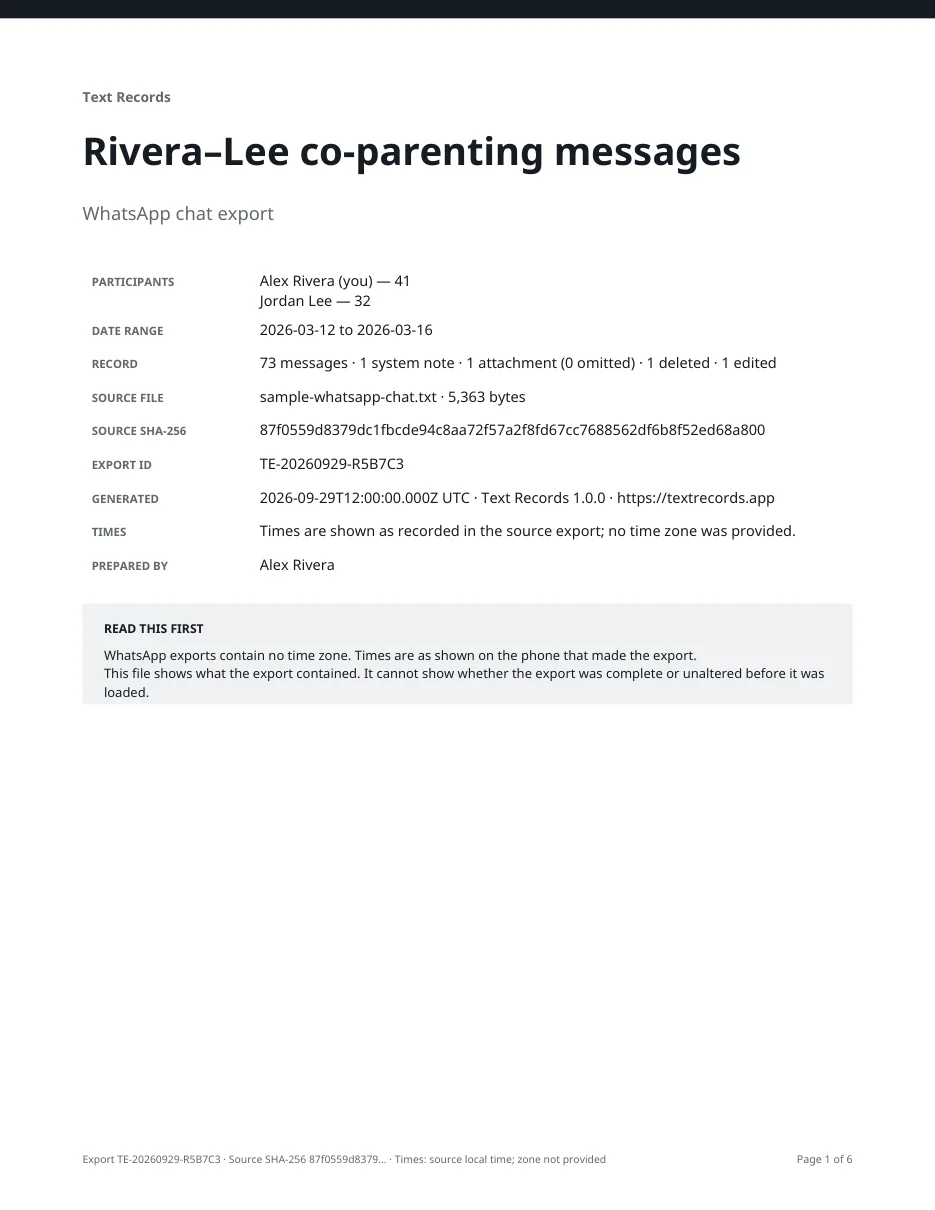
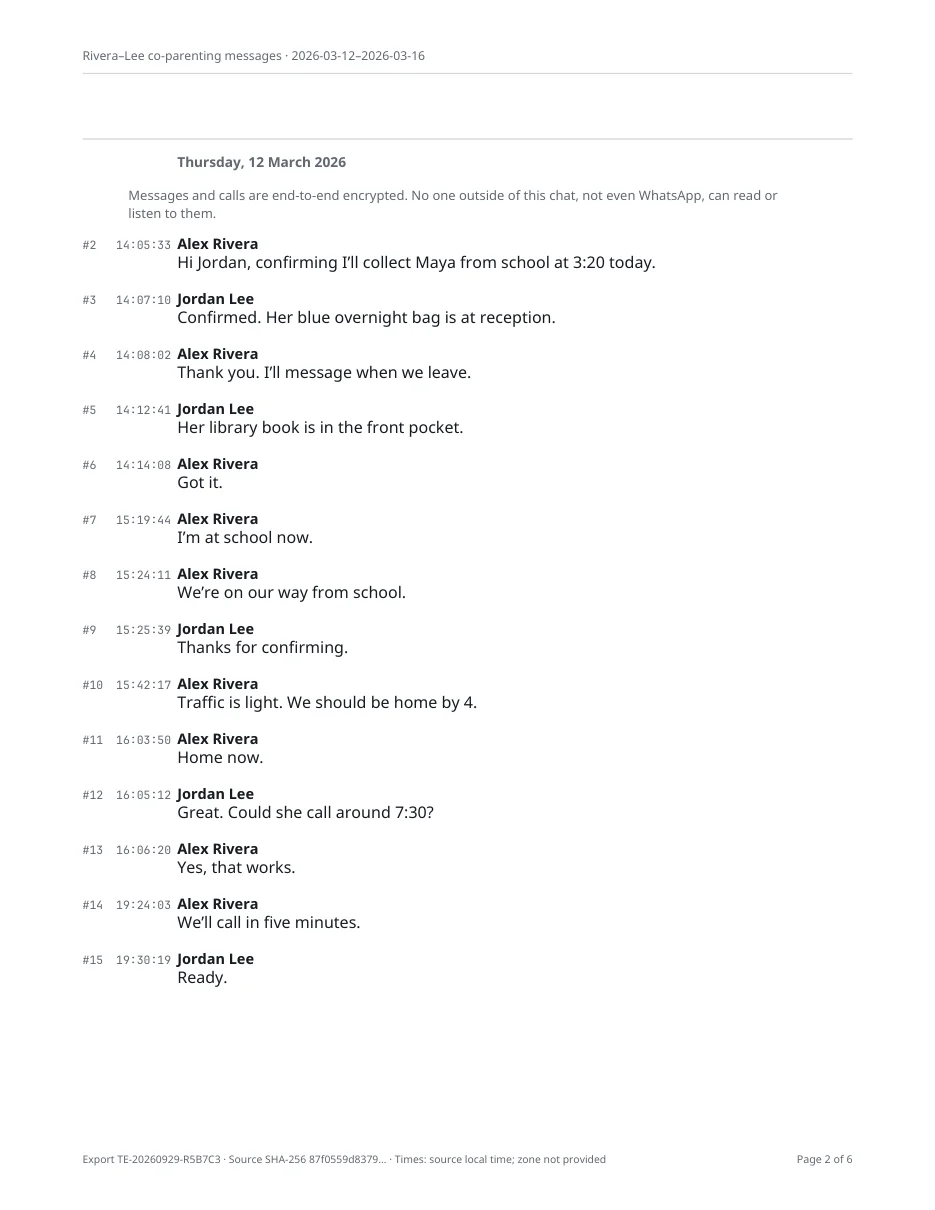
Your witness statement tells the story; the bundle holds the proof. Point to exact pages and messages: “On 14 March I told Ms Jones the rota change meant I couldn’t collect my son (bundle pages 41–42, messages 115–117).” Say how you know the account, for example that it is your manager’s work number, and say plainly if a name is only how you saved the contact.
Expect simple questions and answer them before they are asked: is this the whole conversation for that day, was there a call in between, is anything missing, and do you still have the phone? A short note about gaps, missing attachments or redactions is better than leaving the tribunal to guess.
Context and redaction
A few angry lines without what came before can backfire. Include enough of the conversation to show what each reply was answering. For a long group chat, agree a fair extract with the other side if you can, say what was left out, and keep the full export.
Make redactions only on a copy, mark them, and keep a list. Children’s details, medical information, home addresses and unrelated colleagues’ messages may need care. If you’re unsure, ask the tribunal for a direction rather than cutting material out yourself.
Final hearings are normally held in public under rule 57, and decisions are published on GOV.UK. Don’t share the bundle beyond the tribunal and the other side.
Where to get help
Acas runs early conciliation and explains time limits. Citizens Advice, a trade union, a law centre or an employment adviser can help with disclosure, the bundle and your witness statement. Get advice quickly if you’re near a deadline, if you may need interim relief (7 days), or if the case involves discrimination, whistleblowing or sensitive personal information.